
Most people start meditating wherever they happen to be: on the edge of the bed, in a kitchen chair, or on the floor with a pillow tucked underneath them. That’s a perfectly good way to begin. After a week or two, though, the seat starts to matter. Maybe your knees ache by the end of a ten-minute session, or your back slowly rounds forward, or you shift so often that you never quite settle.
This guide compares the three most common options: a meditation cushion, a kneeling meditation bench and an ordinary chair. It covers what each one asks of your body, who tends to find it comfortable and what to try before you spend anything. There’s a good chance you already own a seat that works.
The Quick Answer
If you aren’t sure where to start, start with a chair. A firm chair lets you sit upright with your feet on the floor, asks very little of your knees and hips, and is easy to get in and out of. It can also stay your seat for as long as you practice.
A cushion makes sense if you’d like to sit on the floor and a cross-legged position feels reasonably comfortable. A bench is worth a look if kneeling suits you better than crossing your legs.
All three are proper meditation seats. The best one for you is whichever lets you stay upright, alert and at ease for the length of your practice.
What Matters in a Meditation Seat
The seat itself matters less than what it does for your posture. A few practical points make most of the difference.
Your hips and knees. When sitting on the floor, many people find it helps to have their hips a little higher than their knees. That small lift can tilt the pelvis slightly forward, which often makes it easier to sit upright without straining. It’s one reason meditation cushions are thicker than ordinary pillows and many meditation benches slope toward the front.
Your back. Aim for upright without stiffness, as though your spine is stacked rather than held. Some people like the support of a backrest. Others find they sit taller without one.
Getting down and getting up. Floor practice means lowering yourself to the ground and standing up again afterward, sometimes with legs that have gone a little numb. If that’s awkward or uncomfortable for you, a chair removes the problem entirely.
How long you sit. Almost any seat works for five minutes. At twenty minutes, small discomforts become hard to ignore. Choose a seat for the sessions you actually do, which for most beginners are short.
Your space and budget. Think about where you’ll practice, whether the seat needs to be stored or carried, and what the floor is like. A cushion on bare tile or wood is much kinder with a folded blanket or rug underneath.
Personal preference. Some people feel more settled close to the ground. Others feel more at ease in a chair. Both are good reasons to choose a seat.
The Meditation Cushion
A traditional meditation cushion, often called a zafu, is a firm round cushion usually filled with buckwheat hulls or kapok. It’s often placed on a larger flat mat, called a zabuton, which pads the knees and ankles. You’ll also see crescent, rectangular and foam shapes that do the same basic job.
You can sit on a cushion in a few ways. The most common for beginners is a simple cross-legged position with both feet resting on the floor in front of you, sometimes called the Burmese position. Turning the cushion on its side and kneeling astride it is another option.
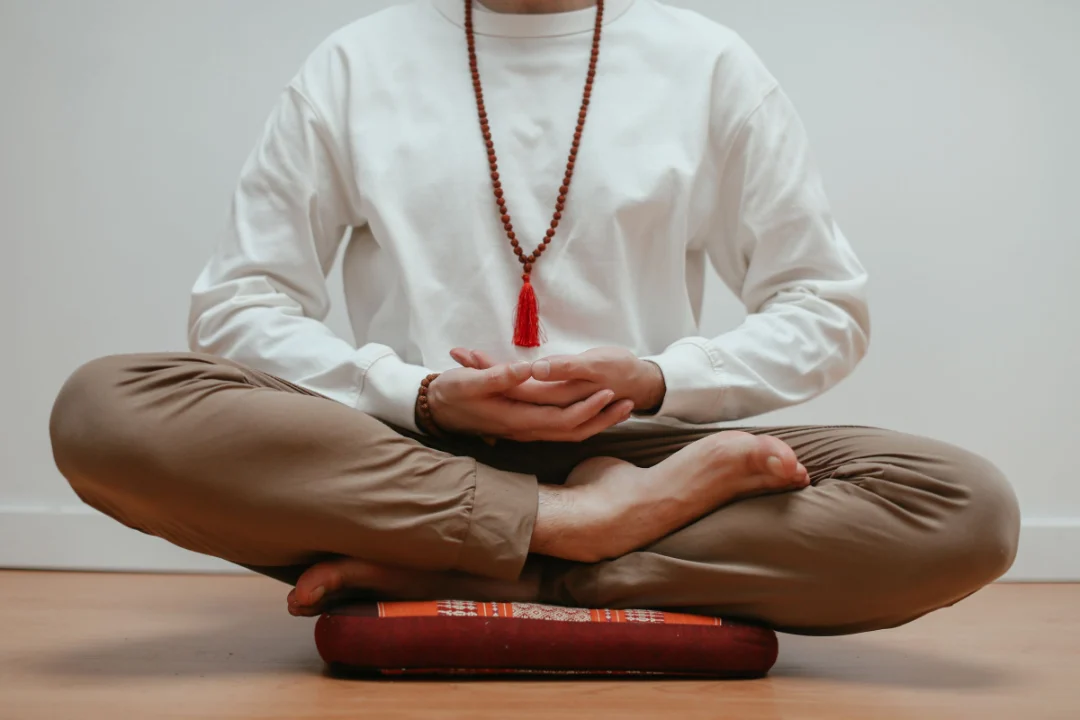
Who it tends to suit: people who are comfortable on the floor, whose knees can rest on or near the ground when they sit cross-legged, and who like the feeling of a low, grounded seat.
What to watch for: height makes a big difference. If the cushion feels too low, your knees may sit higher than your hips and your back may start to round. If it feels too high, you may feel as though you’re tipping forward. Buckwheat-filled cushions can often be adjusted by adding or removing filling. If your knees don’t reach the floor, a folded blanket or small pillow under each knee can make the position feel more supported.
Try before you buy: fold a firm bed pillow in half, or stack two folded blankets, and sit on the front edge for a few sessions. If you like sitting on the floor, you’ll know fairly quickly.
The Meditation Bench
A meditation bench is a small, low wooden seat with a gently sloping top. You kneel on the floor, slide your lower legs underneath the bench and rest your weight on the seat instead of your heels. Some benches have folding legs for travel or storage, and some come with a padded top.
Because the seat slopes forward, many people find that a bench makes sitting upright feel easier, especially if crossing their legs is uncomfortable.
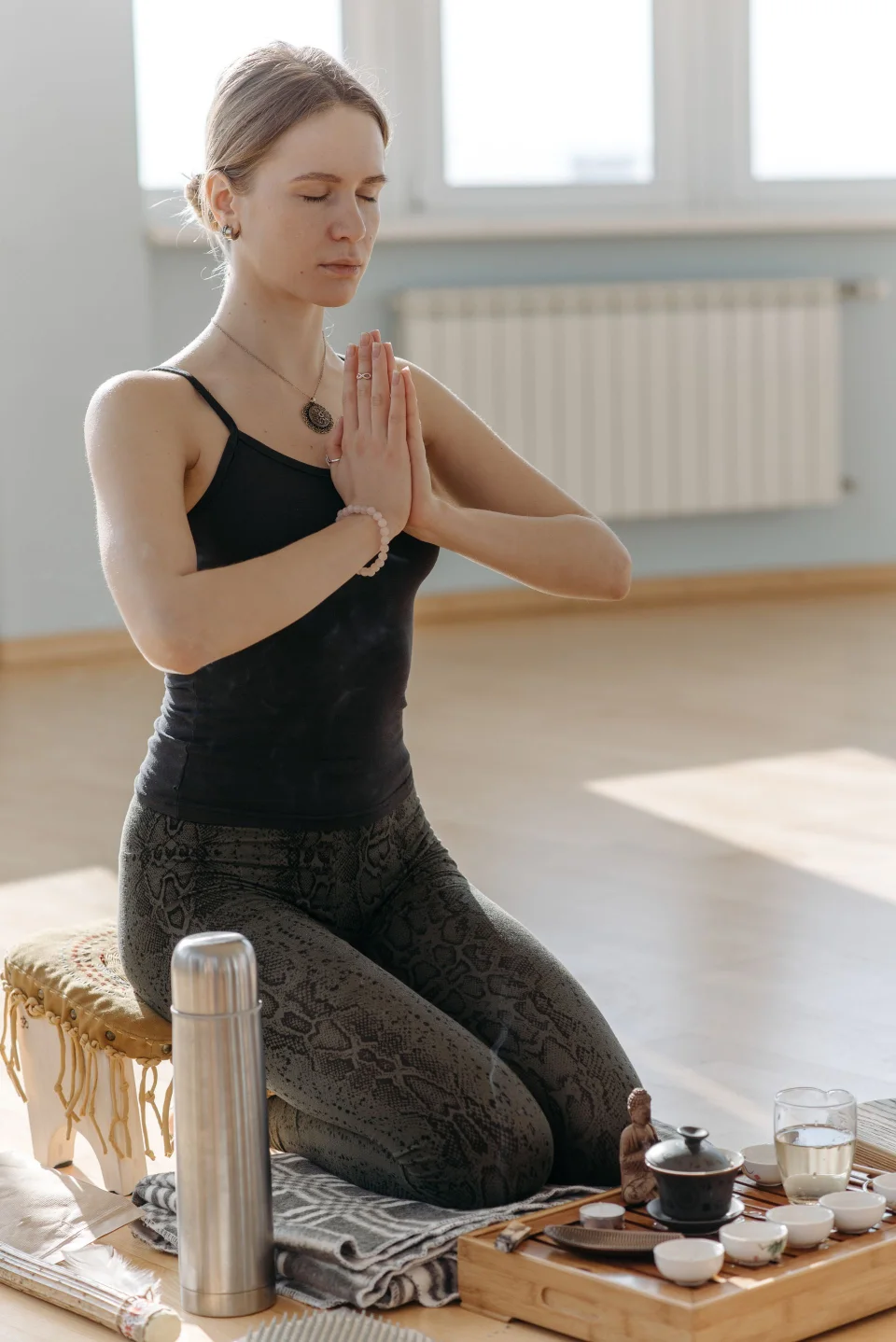
Who tends to like it: people who find kneeling comfortable but cross-legged sitting difficult, and people who want a floor seat that helps them stay upright without much adjustment.
Things to keep in mind: kneeling puts weight through the shins and the tops of the feet, and it bends the knees fully. On a hard floor you’ll want a mat or folded blanket underneath. Bench height matters too, and taller people may find a taller bench more comfortable. If your knees or ankles complain in a kneeling position, a bench probably isn’t the right seat for you.
A simple test first: turn a firm cushion or a thick folded blanket on its side, kneel astride it and sit for five minutes. If kneeling feels steady and comfortable, a bench may suit you. Give it a few sessions, since kneeling often feels unfamiliar at first.
The Chair
A chair is a complete meditation seat. You don’t need to graduate from it to something else, and nothing about sitting in a chair makes your practice less real.
A simple, firm chair often works well for meditation. Look for a flat seat, ideally without arms, at a height that lets your feet rest flat on the floor with your knees roughly level with or slightly below your hips. Many kitchen and dining chairs fit that description.
You can sit in two ways. Some people like to perch toward the front edge so their spine supports itself. Others sit back and use the backrest, with a small cushion behind the lower back if that helps them stay upright. Rest your hands on your thighs or in your lap and let your shoulders drop.
Who it tends to suit: anyone who finds floor sitting uncomfortable, anyone who has trouble getting down to the floor and back up, people who practice at work or while traveling, and beginners who want one less thing to think about.
What to watch for: deep sofas and soft armchairs can make it easy to slump or drift toward sleep. If your feet don’t reach the floor, rest them on a book or folded blanket. If the seat tilts backward, a folded towel at the back of the seat can level it out.
Cushion vs. Bench vs. Chair at a Glance
| Option | Best suited for | Floor required? | Back support? | Portability | Typical learning curve | Cost level | Main consideration |
|---|---|---|---|---|---|---|---|
| Meditation cushion | People comfortable sitting cross-legged on the floor | Yes | None; your posture supports your back | Good; light but bulky | Moderate; finding the right height can take a few sessions | Low to moderate | Finding a height that feels right for your hips and knees |
| Meditation bench | People who kneel comfortably but find cross-legged sitting hard | Yes | None; the sloped seat can make upright sitting easier | Good, especially folding models | Low to moderate; kneeling can feel unfamiliar at first | Moderate | Weight rests on the shins and the tops of the feet |
| Chair | Anyone, especially people who prefer not to sit on the floor | No | Optional backrest | Available almost anywhere | Very low | Usually nothing if you already own one | Soft seats can make it easy to slump |
How to Decide What to Sit On
A short experiment usually tells you more than any guide can. Over a few days, try each position with things you already have, for the length of time you normally practice. Notice how your back, hips and knees feel during the session and afterward.
A few questions can help narrow it down:
- Can you sit cross-legged on a folded blanket with your back upright and your knees close to the floor? If so, a cushion is worth exploring.
- Do your knees stay high and your back round when you sit cross-legged, even with extra height? Kneeling may suit you better.
- Would you rather not get down to the floor and back up? A chair is the simple answer.
- Do you practice in more than one place? Chairs are everywhere, and a light cushion or folding bench travels well.
- Are your sessions five or ten minutes long? Whatever you have now is probably enough.
A note on comfort and safety. Any new position can feel unfamiliar for the first few sessions. Pain, persistent numbness or discomfort in a joint is a different matter, and a good reason to change position or move to a chair instead of pushing through. If you have an injury or a condition that affects how you sit, check with a qualified health professional about which positions suit you. Our Wellness Disclaimer has more on practicing safely.
A few minutes of gentle movement before you sit can also make any seat feel easier. The Mindful Movement page has a short sequence you can try.
When You Don’t Need Anything New
Meditation doesn’t require special equipment, and a new cushion won’t deepen your practice by itself. You probably don’t need to buy anything if:
- you’re still finding out whether meditation is for you
- your sessions are short, around ten minutes or less
- you have a firm chair that lets your feet rest flat on the floor
- folded blankets or a firm pillow give you enough height on the floor
Where a dedicated seat can help is comfort and consistency. If you’re planning to practice most days for a month or longer, it’s worth making your seat comfortable enough that you look forward to returning to it. A seat that’s always ready, in a spot you like, makes a regular practice easier to keep. Our Resources page has notes on what to look for if you decide a cushion or bench is worth it.
Three Simple Setups
The chair setup. A dining chair near a window or in a quiet corner. Feet flat, with a folded towel under them if needed, and hands resting on your thighs. Nothing to buy and nothing to put away.
The floor setup with what you own. A folded blanket or rug on the floor to cushion your ankles, and two folded blankets or a firm pillow on top for height. Sit on the front edge so your hips are a little higher than your knees, if that feels comfortable. Put it away after practice or leave it out as a quiet reminder.
The kneeling setup. A blanket on the floor for your shins and a firm cushion turned on its side under your seat. If you still enjoy this after a week or two, a bench is the natural next step.
For ideas on choosing a spot and making it feel calm, see 4 Tips for Creating a Calm Meditation Space at Home.
Frequently Asked Questions
Is it okay to meditate in a chair?
Yes. Sitting in a chair is a common and fully valid way to meditate, for beginners and experienced meditators alike. Choose a firm chair, keep your feet flat and sit upright without straining.
Do I need a meditation cushion to meditate?
No. A cushion can make floor sitting more comfortable, but a chair, a folded blanket or a firm pillow can all work well.
Is a meditation bench better than a cushion?
Neither is better overall. A bench often suits people who are comfortable kneeling but find cross-legged sitting difficult. A cushion suits people who like sitting cross-legged and want an adjustable floor seat.
How high should a meditation cushion be?
There’s no single right height. Many people are most comfortable when their hips sit a little above their knees and their back can stay upright without strain. Adjustable cushions and stacked blankets make it easy to experiment.
Can I meditate lying down?
Yes, and some practices, such as a body scan, are often done lying down. The trade-off is that it’s easier to fall asleep. For practices designed for the end of the day, see 4 Gentle Bedtime Meditation Practices.
What should I put under a cushion on a hard floor?
A folded blanket, a rug or a flat mat. Your ankles and knees still rest on the floor when your hips are on the cushion, so a soft layer underneath can make floor sitting much more comfortable.
Finding Your Seat and Beginning
Once you’ve chosen a seat, the next step is simply to use it. If you’re new, Start Here walks you through a five-minute first practice you can do in any chair. When you’re ready to explore further, 5 Simple Meditation Techniques for Beginners can help you find a practice that suits you, and the Meditation hub gathers our beginner guides in one place.
Sources and Further Reading
- National Center for Complementary and Integrative Health: Meditation and Mindfulness: Effectiveness and Safety
This guide is general education, not medical or mental health advice. Please read our Wellness Disclaimer. If you are struggling, please speak with a qualified professional. In the US, call or text 988.